
Hot water demand varies from household to household, so replacement equipment should match actual use. Capacity, available space, and existing connections all matter when planning water heater installation service in Marseilles, IL.
Get Your Free Quote
Tell us what your appliance is doing, and we’ll use those details to help schedule the right service appointment.
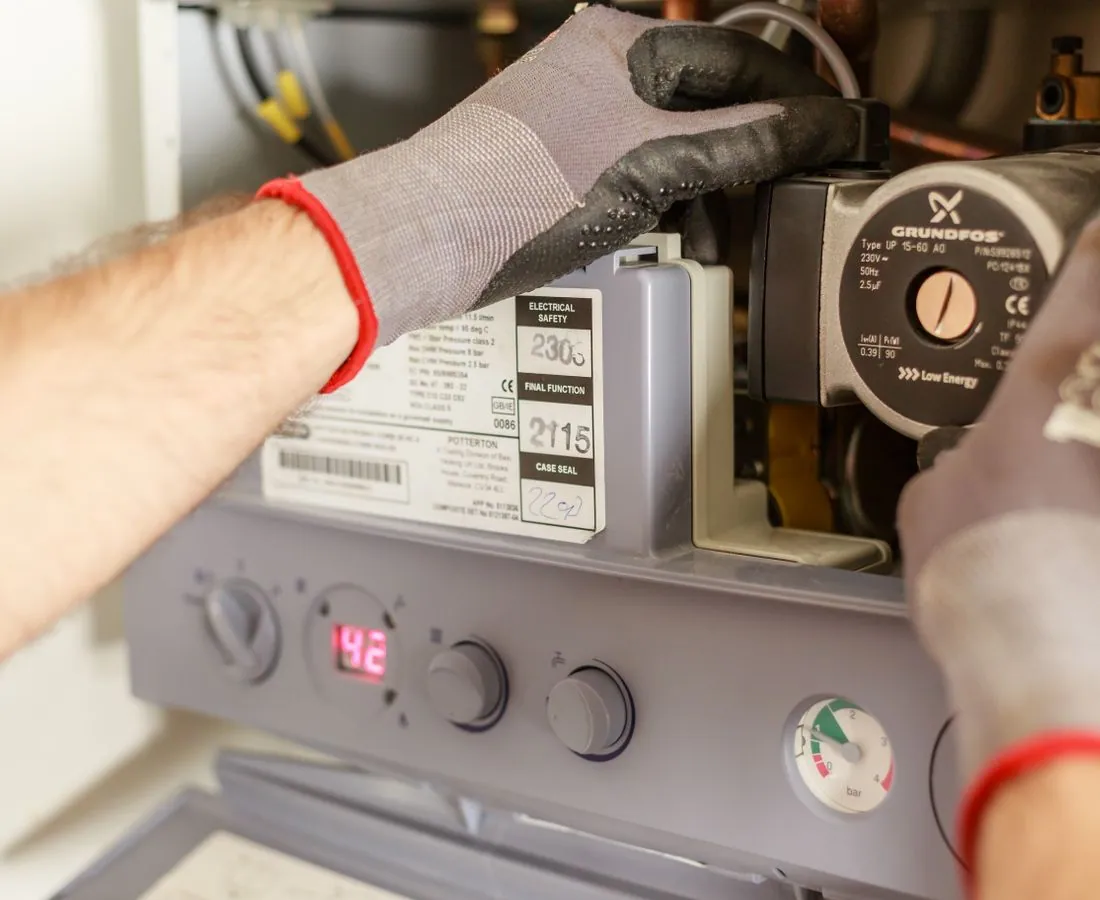
Choosing a replacement by tank size alone can overlook how the household uses hot water every day. Water heater capacity should reflect the number of people in the home, typical bathing routines, laundry, dishwashing, and overlapping demand. A new water heater installation makes more sense when you consider capacity alongside actual household use rather than copying the old unit automatically. The physical installation area creates another set of requirements. Available floor space, access around the equipment, connection locations, and the route used to remove and bring in equipment can all affect the project. Home water heater installation therefore needs to account for the room itself, not just the specifications listed on the replacement unit.
Replacement work also differs from installing equipment where no comparable unit existed before. Water heater replacement services usually involve disconnecting existing equipment, clearing the area, positioning the replacement, and working with the existing connections. Plan a water heater changeout as one coordinated project instead of treating removal and installation as unrelated tasks. Other household equipment may require a different installation approach altogether. Homeowners planning separate appliance projects can review our appliance installation and hookups for covered residential equipment. Keeping those services separate helps the water-heating project stay focused on capacity, fit, access, connections, and the conditions surrounding the existing unit.
The most important installation choices happen before any equipment moves. Capacity must suit the household, the replacement must fit the available space, existing connections need review, and the old unit must be removed safely. Answering those questions early gives the project a clearer physical plan from start to finish. A hot water heater install can become more complicated when replacement dimensions, connection points, or access differ from the existing setup. Permit or inspection requirements may also depend on the work involved. Those project conditions should be identified before installation, so homeowners understand what belongs within the scope and what may require additional verification.
Hot-water demand helps determine whether the replacement capacity makes sense for normal daily household use.
Dimensions, clearance, and access affect whether the new water-heating equipment fits the available installation area.
Compare existing installation connections with the replacement unit's requirements before the changeout begins.
The old heater needs a workable path out before the replacement can occupy the same area.
Before water heater installation service in Marseilles, IL reaches the changeout stage, the team should already understand the replacement equipment, installation area, access, and connection requirements. SelfMade Contracting Services LLC approaches the project as a sequence in which each completed step prepares the site for the next part of the installation.
An old water heater may occupy the right location but not be the right reference for the next unit. Household demand can change, replacement dimensions can differ, and existing connections may need closer consideration. The project should account for the current home rather than assuming the previous setup should simply be duplicated.
A growing household or different daily routines can make the old water heater capacity a poor guide for replacement.
A new unit with different dimensions may require closer attention to clearance, access, and the usable installation area.
A replacement with different connection requirements can change the scope of a water heater changeout even when the location remains the same.
A water heater installation contractor should understand the equipment, household demand, installation area, and existing setup before the project advances. Clear planning helps homeowners know what is being replaced, which connections matter, and whether permits, inspections, access, or other site-specific requirements need to be addressed.
The old unit provides useful information, but it should not be the only basis for replacement. Current hot-water use, household size, and typical demand add practical context to capacity decisions.
The installation area deserves attention before selecting equipment. Access, available space, existing connections, and the removal path can influence which replacement options are practical for the property.
Understand removal, positioning, connection work, permit verification, and other installation requirements before work begins. Clear scope helps separate the core installation from any additional conditions discovered at the property.
Water heating is only one household system. For other appliance needs, homeowners can also review best home appliance repair in Marseilles rather than mixing unrelated repairs into the installation project.
Homeowners preparing for water heater installation service in Marseilles, IL can make the first discussion more useful by noting the current unit’s capacity, location, approximate dimensions, and readable equipment information. You can also read about our repair company before scheduling.
These answers cover common installation decisions. See more answers to appliance repair questions for related household service topics. Request a service appointment when you are ready to discuss the existing setup and replacement requirements.
Capacity should reflect how much hot water the household uses and when that demand occurs. Household size, shower routines, laundry, dishwashing, and simultaneous use can all matter. The existing unit is useful reference information, but you should also consider current demand before selecting replacement equipment.
A different capacity may be appropriate, but the decision also involves physical dimensions, available space, access, and installation connections. A larger or smaller unit isn’t automatically suitable just because demand has changed. The replacement has to make sense for both household use and the existing installation area.
Installation time varies with equipment type, accessibility, existing connections, removal conditions, and whether modifications, permits, or inspections are involved. A straightforward replacement can differ significantly from a project where dimensions or connection requirements have changed, so the specific installation conditions determine a more useful expectation.
Permit and inspection requirements can depend on local rules and the scope of the installation. Verify them for the specific property before work begins. Also confirm any licensing or regulated plumbing requirements that apply to the project, rather than assuming them based on a previous installation.
Using the same capacity can be reasonable in some homes, but it should not be automatic. Household size, hot-water routines, simultaneous demand, equipment dimensions, and the existing setup may have changed since you selected the old heater. Reviewing current conditions gives the replacement decision a stronger basis.