
Have a question before scheduling service? SelfMade Contracting Services LLC answers common appliance repair questions about diagnostics, appointments, repair decisions, appliance symptoms, installation, and residential service in Marseilles, IL.
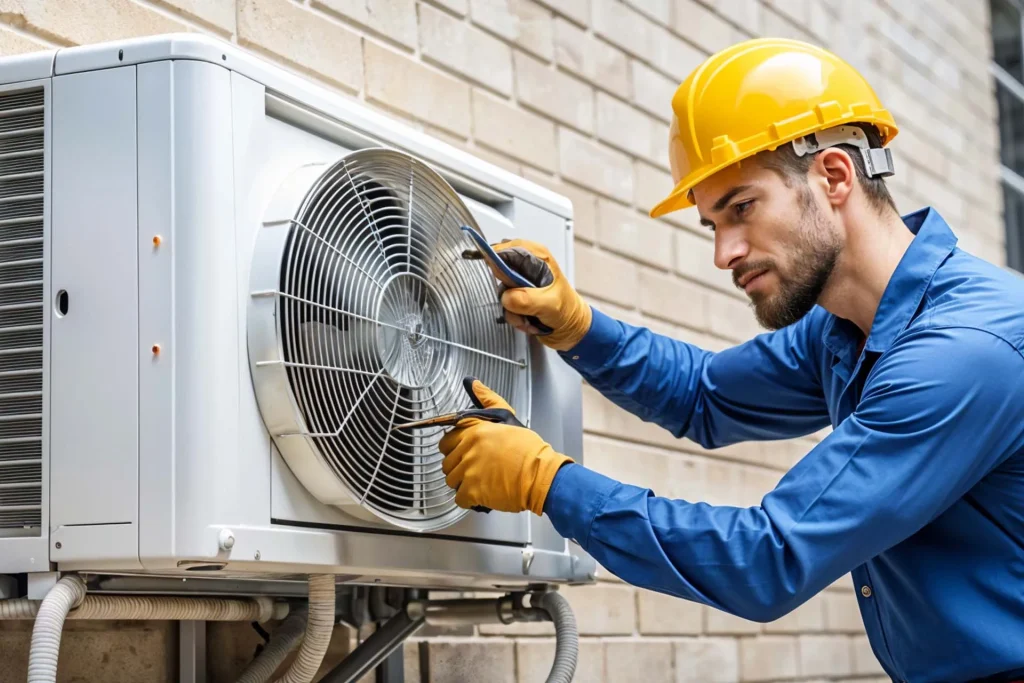
These appliance repair FAQs in Marseilles, IL cover the questions homeowners commonly ask before deciding whether an appliance needs repair, replacement, installation, or further diagnosis. The answers also explain what information you should have before an appointment and which appliance behaviors deserve closer attention.
For appliance-specific help, use the linked service pages throughout this guide. You can also review our residential appliance repair services or request a service appointment when you are ready to discuss a problem.
Repair depends on the appliance, failure, component involved, and service scope. Common concerns include appliances that will not start, drain, spin, heat, cool, clean, or maintain temperature. Our residential appliance repair services page lists the covered appliance categories in more detail.
Know the appliance type, the main symptom, when the problem started, and what the appliance still does normally. A model number can also be useful when available. Specific details such as unusual noises, leaks, error displays, temperature changes, or where a cycle stops can make the service conversation more useful.
The technician considers the reported symptom, observes applicable appliance behavior, and checks the systems related to that failure. The exact diagnostic steps depend on the appliance. A washer that will not drain requires a different process from a refrigerator that runs but cannot maintain temperature.
Diagnostic and service fees should be confirmed when the appointment is booked because pricing can depend on the service and current business policies. Ask what the initial visit covers, whether additional repair costs are separate, and how pricing is handled if further work is recommended after diagnosis.
Appointment length varies with the appliance, symptom, accessibility, diagnostic work required, and the repair involved. A straightforward problem can differ substantially from an intermittent or multi-system failure. Rather than assuming a fixed repair time, provide the appliance model and symptoms when booking so the service can be planned appropriately.
Consider appliance age, overall condition, repair scope, replacement cost, and whether other problems are developing. A failed door gasket calls for a different decision than a major cooling-system problem. Diagnosis helps identify what failed before you compare repair and replacement costs.
Age matters, but it should not be the only factor. A well-maintained older appliance with a limited repair may still be worth servicing, while a newer unit with extensive damage may require a different decision. Consider condition, failure type, repair cost, and replacement value together.
Warranty terms should be confirmed directly when service is scheduled because coverage can vary by repair, component, and current company policy. Do not assume every service has the same warranty period. Ask what parts or labor coverage applies to the specific repair being discussed before authorizing work.
That depends on the symptom. Stop using an appliance when there is smoke, burning odor, sparking, active leaking near electrical parts, damaged power components, or another obvious safety concern. Less urgent performance problems still deserve attention if continued operation could worsen the failure or damage surrounding surfaces.
Active leaks, repeated shutdowns, electrical odors, unstable refrigeration temperatures, overheating, damaged microwave doors, or appliances that trip breakers deserve prompt attention. A problem that risks food loss, water damage, or electrical safety generally carries more urgency than a minor noise with otherwise normal operation.
Standing water can involve the drain system, pump, hose, blockage, or another condition preventing water removal. Note whether the washer stops before spinning and whether any unusual sound occurs during draining. Our washing machine repair options cover drainage, spin, fill, and cycle problems.
If water leaves the tub but clothing remains unusually wet, the washer may not be completing an effective spin. Load balance, spin operation, drainage timing, or another cycle-related issue can contribute. Distinguishing between “not draining” and “not spinning effectively” helps with diagnosis.
A dryer can tumble even when the heating function is not working correctly. Depending on the dryer design, heating elements or other heat-related components may be involved. Key details include whether the drum turns normally, whether it produces heat, and whether the cycle completes.
Long drying times can involve reduced heat, airflow restrictions, oversized loads, moisture-sensing behavior, or another performance problem. Compare similar loads and note whether the dryer becomes warm. If drying performance has changed consistently, review the dedicated dryer repair service page.
Early shutdown can involve overheating protection, controls, sensing, airflow, or another operating condition depending on the dryer. Note how long it runs, whether it restarts after cooling, and whether the drum and heat behave normally before the shutdown. Those details help separate timing problems from heat-related issues.
This pattern can occur when cold is being produced but is not reaching the fresh-food compartment effectively. Airflow, frost buildup, controls, or related cooling components may be involved. Our refrigerator repair team can help explain temperature-zone problems in more detail.
Water can come from drainage problems, condensation, ice buildup, water-line components, or another source depending on where it appears. Note whether moisture is under the crisper drawers, inside the freezer area, or on the floor. Knowing the leak location provides useful information before service begins.
Long run times can relate to warm room conditions, frequent door opening, poor sealing, temperature settings, frost, or cooling-system performance. The important question is whether the refrigerator is still maintaining safe, stable temperatures. Continuous operation paired with warming food deserves closer diagnostic attention.
A freezer may still operate while failing to maintain a consistently frozen cabinet. Cooling performance, airflow, temperature sensing, frost, or sealing may be the cause. If softening continues during normal use, our freezer repair service covers unstable freezing, frost, and temperature-control concerns.
Heavy frost can result from warm, humid air entering the cabinet, sealing problems, defrost-system conditions, or restricted airflow. Excess frost can also interfere with cooling. Note where the frost forms and whether food is softening, because the pattern can help distinguish moisture entry from a defrost-related problem.
Poor cleaning can involve blocked spray arms, weak circulation, loading interference, detergent performance, wash-motor operation, or another wash-related condition. If the same rack or area stays dirty repeatedly, that pattern is useful. See our professional dishwasher repair page for cleaning and drainage problems.
Obvious pooling after a completed cycle can involve the drain pump, drainage path, blockage, or another water-removal problem. Note whether the water is dirty and whether the cycle otherwise completes. Separate drainage problems from poor washing performance because the two functions involve different dishwasher systems.
Uneven cooking can involve heating elements, temperature sensing, heat distribution, or another oven condition depending on the design. Compare several cooking attempts and note whether one side consistently cooks faster. Our stove and oven repair services cover uneven heating and burner problems.
The display, fan, light, timer, and turntable can operate even when the microwave is not producing useful heat. Heating-related systems may be involved. Because microwaves contain high-voltage components, don’t treat internal diagnosis as DIY work; use our microwave repair service for microwave-specific problems.
A damaged door, latch, hinge, or closure should be treated as a safety concern rather than simply a convenience problem. Stop using the microwave if the door does not close securely or is visibly damaged. Professional evaluation is more appropriate than attempting internal microwave repair or bypassing door-related safety systems.
Have the appliance type, model number, intended location, and information about existing connections available when possible. Measurements can also help. Our appliance installation service explains how space, hookups, leveling, and manufacturer requirements affect residential appliance setup.
Sometimes, but it should not be assumed. A replacement appliance may use different connection locations, clearances, dimensions, or manufacturer requirements. Compare the existing water, drain, electrical, or other supported hookups with the new model’s specifications before installation begins.
Common installation blockers include an opening that is too small, insufficient access, incompatible existing hookups, missing required connections, or a floor and cabinet arrangement that prevents correct positioning. Checking the appliance dimensions, manufacturer instructions, installation location, and connections before the appointment can prevent avoidable delays.
Know the existing heater’s location, approximate capacity, available space, and readable model information when possible. Household hot-water demand also matters. The dedicated residential water heater installation page explains capacity, replacement fit, existing connections, and changeout planning in more detail.
Not automatically. Household size, hot-water routines, simultaneous demand, equipment dimensions, and installation requirements may have changed since you selected the old heater. The current unit provides useful reference information, but replacement capacity should also reflect present household demand and the available installation space.
Permit, inspection, and licensing requirements can depend on local rules and the scope of the installation. They should be verified for the specific property and project before work begins. Do not assume a previous installation establishes what is required for a new replacement or changeout.
The display, fan, light, timer, and turntable can operate even when the microwave is not producing useful heat. Heating-related systems may be involved. Because microwaves contain high-voltage components, don’t treat internal diagnosis as DIY work; use our microwave repair service for microwave-specific problems.
A damaged door, latch, hinge, or closure should be treated as a safety concern rather than simply a convenience problem. Stop using the microwave if the door does not close securely or is visibly damaged. Professional evaluation is more appropriate than attempting internal microwave repair or bypassing door-related safety systems.
If your appliance problem is not covered above, describe what the appliance is doing, what it has stopped doing, and when the problem began. That information gives the service conversation a useful starting point. Request a service appointment or call (815) 216-7219 to discuss the appliance, installation, or repair question.