
Uneven burners, slow preheating, or an oven that will not hold temperature can make everyday cooking unpredictable. Stove and oven repair in Marseilles, IL from SelfMade Contracting Services focuses on restoring reliable heat and control.
Get Your Free Quote
Tell us what your appliance is doing, and we’ll use those details to help schedule the right service appointment.
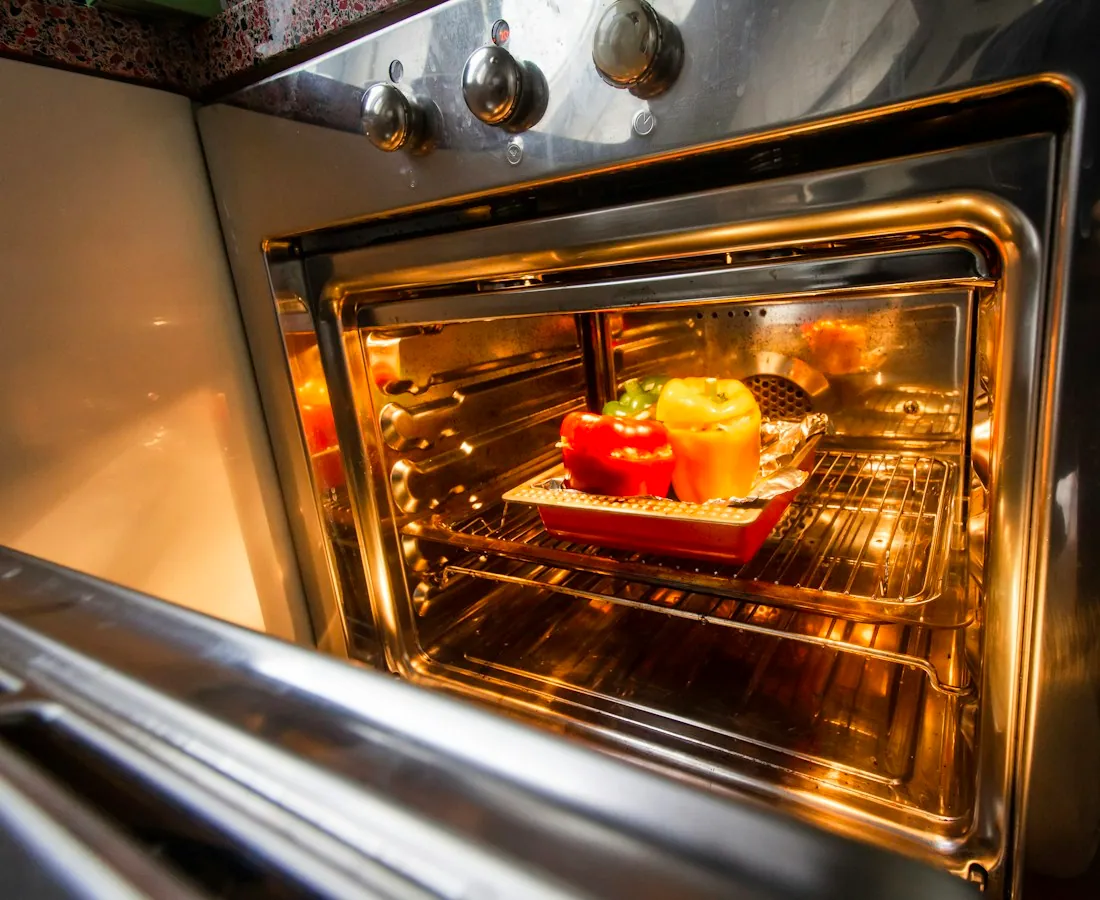
The cooktop handles immediate heat at the surface, where a burner must respond when you raise or lower the setting. You may need stove repair service when one burner stays cold, heats weakly, or no longer responds predictably. Cooktop repair service can also address problems that make boiling, frying, or simmering harder to control. The oven has a different job. It must build heat, distribute it through the cavity, and hold the selected oven temperature long enough for food to cook evenly. Oven repair service becomes relevant when preheating takes too long, food repeatedly comes out underdone, or the appliance struggles to maintain the temperature chosen on the control.
Producing heat and controlling heat are not the same function. A bake element may produce little or no heat, while a thermostat or control board can affect how it regulates temperature. Stove burner repair and cooktop burner repair also require attention to how each cooking position behaves, rather than assuming the entire range has failed. SelfMade Contracting Services LLC provides stove and oven repair in Marseilles, IL for residential cooking appliances with heating, burner, and temperature-control problems. Kitchen range repair is one part of the company’s best residential appliance repair services for homeowners dealing with covered household appliance issues.
Cooking problems often show up in familiar meals. Water takes longer to boil, a pan heats unevenly, or a recipe that normally finishes on time stays undercooked. These changes can help separate a stovetop problem from an oven problem and show whether the appliance is struggling to create heat or control it consistently. Oven behavior can be just as revealing. A cavity may preheat but lose temperature during baking, or one area of a tray may brown faster than another. Oven heating repair can involve the bake element, thermostat, control board, or another component, while burner-related problems require a different inspection approach.
Weak burner heat can slow boiling, reduce searing performance, and make stovetop cooking harder to control.
Unstable oven heat can leave food undercooked, overdone, or browned unevenly across the same pan.
Long preheat times can point toward heating, sensing, control, or other oven temperature issues.
A burner that will not respond correctly can interfere with predictable heat adjustment during normal cooking.
A useful range appliance technician starts with what changed during cooking. Did one burner stop heating? Does the oven reach temperature slowly? Are familiar recipes suddenly finishing differently? Those details help separate burner, heating, sensing, and control problems before attention moves toward a specific component or repair direction.
If the same cookware, settings, and recipes suddenly produce different results, the appliance may deserve a closer look. Changes in browning, boiling time, preheating, or temperature control can reveal cooking problems before the stove or oven stops working altogether.
Food browning on one side while remaining pale elsewhere can point to inconsistent heat distribution inside the oven.
A burner that takes much longer to boil water or maintain heat can interfere with normal stovetop cooking.
An oven that repeatedly runs hotter or cooler than selected can change cooking times and final food results.
For homeowners comparing stove and oven repair in Marseilles, IL, the first useful question is whether the appliance is failing to create heat or failing to control it accurately. SelfMade keeps those two problems separate so the service conversation stays tied to actual cooking behavior.
An appliance can produce heat and still cook poorly when temperature regulation is inaccurate. Separating missing heat from inconsistent heat helps narrow the service direction without treating every cooking problem as the same failure.
Cooktop burners and oven heating systems are reviewed according to their own behavior. This keeps a single burner problem from being confused with an oven-wide heating or temperature-control issue affecting the entire range.
If the problem involves a separate microwave instead of the stove or oven, homeowners can review our microwave oven repair services for issues specific to that appliance.
When repair is no longer the direction a homeowner chooses, applicable appliance installation services provide a separate path for covered residential appliance replacement and setup needs.
If familiar recipes suddenly need different temperatures or cooking times, note which burner or oven setting was used. Repeated differences can help separate a one-time cooking issue from a consistent appliance problem. Request a service appointment when those cooking changes continue during normal use.
These answers address common cooking appliance problems. Find more answers to appliance repair questions for other household appliances.
The displayed temperature does not always confirm that the oven cavity is holding that temperature accurately. A heating element, thermostat, temperature-sensing component, control board, or another issue may affect actual oven heat. Repeatedly slow cooking with familiar recipes is a useful sign that temperature performance should be checked.
When only one burner fails, the problem is usually more localized than a stove-wide power issue. Depending on the appliance, the burner, connection, control, or another related component may be involved. Comparing the affected burner with the others helps narrow down whether the failure is isolated.
Uneven cooking can result from inconsistent heating, a weak bake element, temperature-control problems, rack position, or disrupted heat distribution inside the oven. If the same side repeatedly browns faster with different foods and pans, the pattern is more likely related to appliance performance than one recipe.
An oven can sometimes produce partial or uneven heat even when a heating component is no longer performing normally. Other heating functions may still raise the cavity temperature, which can make the problem less obvious. Slow preheating, weak bottom heat, or uneven baking can provide useful clues.
The decision depends on the appliance’s age, condition, the source of the temperature problem, and the repair involved. A thermostat or heating-component issue calls for a different decision than a larger control-system failure. Identifying the actual cause makes repair-versus-replacement comparisons much more useful.