
Need dryer repair service in Marseilles, IL because clothes stay damp, the heat has disappeared, or the drum will not turn? Get the problem checked before another load turns into another wasted cycle.
Get Your Free Quote
Tell us what your appliance is doing, and we’ll use those details to help schedule the right service appointment.
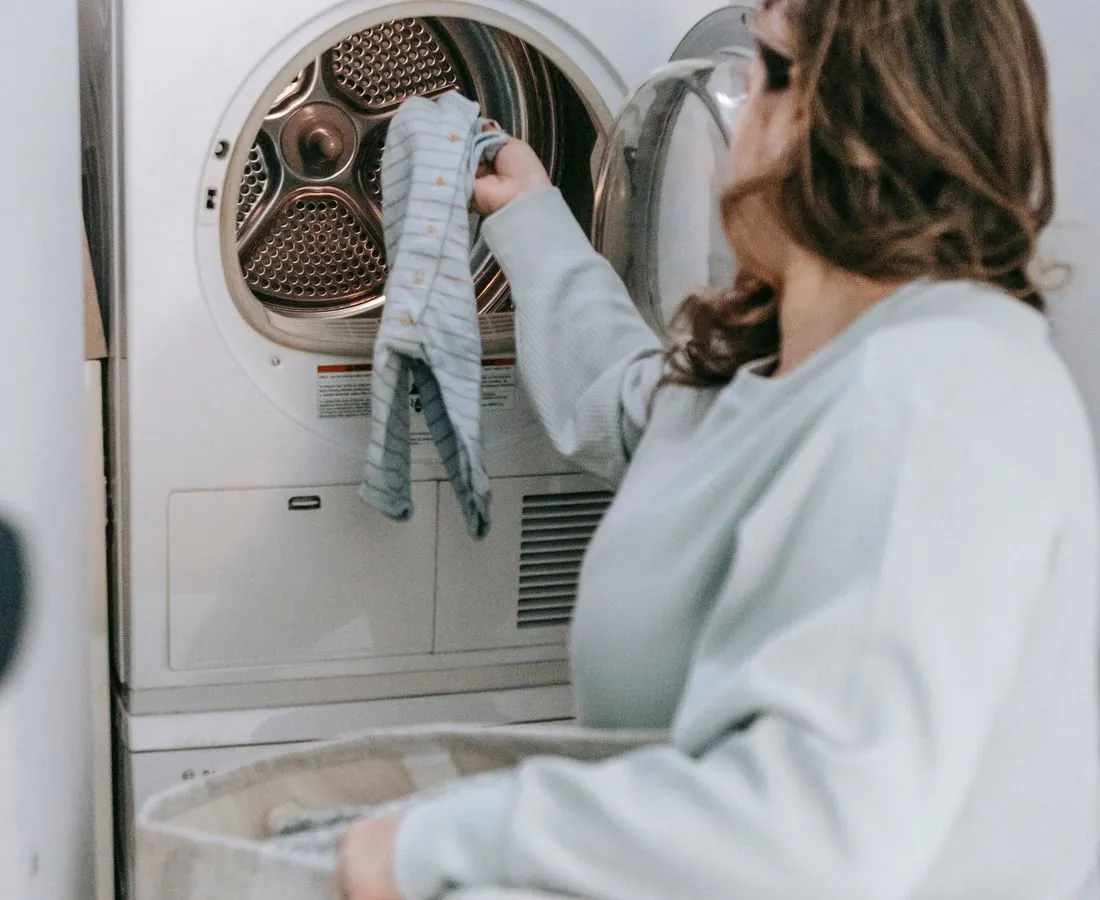
A dryer usually gives homeowners a useful benchmark: how long a familiar load normally takes. When towels suddenly need a second cycle, everyday clothing stays damp, or the machine runs much longer than it used to, something has changed in its normal drying performance. Those differences matter even when the dryer still turns on and completes a cycle. Effective drying depends on more than producing heat. The drum must keep clothing moving, moisture must leave the load, and the machine must regulate temperature and cycle length correctly. That is why a dryer that feels hot can still dry poorly, while another dryer may tumble normally but never generate enough heat to finish the load.
SelfMade Contracting Services LLC provides residential dryer service and repair for homeowners dealing with slower drying, missing heat, starting failures, abnormal noise, or repeated shutdowns. Our dryer repair service in Marseilles, IL focuses on identifying what changed from normal performance, not treating every poor drying result as the same problem. Our clothes dryer repair service can address problems affecting heating, rotation, starting, sensing, and cycle completion. For households dealing with problems beyond the laundry room, SelfMade also provides broader residential appliance repair services for covered household appliances.
The most useful dryer symptoms often come from comparing what the machine still does with what it no longer does. A drum that rotates without heat presents a different service problem from a machine that heats normally but stops before the load dries. Long drying times can also occur even when nothing appears completely broken. Components such as the heating element, drum belt, thermal fuse, moisture sensor, and airflow path can influence different parts of dryer operation. Their presence does not mean one specific part is automatically at fault. The pattern of heat, movement, cycle length, noise, and shutdown behavior helps determine which area deserves closer inspection.
Dryer not heating repair starts with figuring out why the drum turns normally while the clothes stay cold or damp.
Strong heat with damp clothing can point toward airflow, moisture sensing, load movement, or another performance issue.
A dryer that starts normally but shuts down early may have temperature, control, or operating problems requiring inspection.
Noisy dryer repair may involve changes in drum movement, the drum belt, support parts, or other rotating components.
A useful dryer diagnosis begins with comparison. Did the machine lose heat first? Did drying time gradually increase? Does the drum still rotate? Does the problem appear only after the dryer has been running for several minutes? Those observations give a dryer technician a much clearer starting point than simply knowing the machine “is not drying.”
A dryer does not need to stop completely before service becomes worth considering. Repeating cycles, longer wait times for ordinary loads, restarting a machine that shuts down early, or hearing new mechanical sounds all signal that your dryer’s normal performance has changed.
You may need laundry dryer repair when familiar loads consistently require two or three cycles instead of one.
Clothing that remains damp after a complete cycle can indicate inadequate heat, poor moisture removal, sensing issues, or another performance problem.
Dryer overheating repair becomes relevant when abnormal temperature or repeated shutdowns interfere with safe, predictable cycle completion.
Homeowners often want to know whether a dryer is worth fixing before they know what failed. That decision becomes easier once you identify the problem. SelfMade keeps the conversation focused on dryer condition, performance changes, and the scope of the issue rather than assuming every malfunction calls for the same solution.
Residential dryer repairs should consider more than whether the machine powers on. We look at actual drying results, including cycle length, remaining moisture, heat consistency, drum movement, and whether operation changes as the dryer warms up.
A dryer not spinning is different from a dryer not starting, and both differ from a machine that tumbles without heat. Keeping those failure patterns separate helps avoid overly broad assumptions about the cause.
If the washer is also interrupting laundry routines, homeowners can review available washing machine repair options for drainage, spinning, filling, leaking, and other washer-specific problems.
When an older dryer's condition makes replacement the preferred option, appliance installation and hookups can support the next stage of your home appliance setup.
Compare a familiar load with how the dryer normally performs. A clear change in drying time, heat, sound, or shutdown behavior can provide more useful service information than simply saying the machine has stopped working properly.
Common dryer questions often start with heat, drying time, or unexpected shutdowns. Find additional pro answers to appliance repair questions when needed. Request a service appointment when performance changes continue across normal loads.
Heat alone does not guarantee effective drying. Clothing also needs consistent drum movement and adequate moisture removal during the cycle. Damp clothes from a hot dryer can be related to airflow conditions, moisture sensor behavior, load size, or another issue affecting how efficiently water leaves the fabric.
Heavy towels may naturally take longer than lightweight clothing, but a consistent change from one cycle to two can signal declining dryer performance. Weak heat, restricted airflow, moisture sensing, load size, or another operating issue can increase drying time, especially when the same loads previously finished normally.
On dryers that use a heating element, drum rotation and heat production operate through different parts of the machine. A dryer may therefore tumble while producing little or no heat. However, no-heat symptoms can have several possible causes, so dryer heating element repair should follow diagnosis rather than assumption.
Repeated shutdowns do not automatically mean replacement is necessary. The decision depends on the dryer’s age, overall condition, the cause of the shutdown, and the repair involved. Identifying whether heat, airflow, controls, or another operating issue is responsible gives homeowners a better basis for comparing repair and replacement.
A sudden increase in drying time can involve reduced heat, airflow problems, moisture sensor behavior, load movement, or another change in normal operation. Compare similar loads with previous drying times and note whether the dryer still heats, tumbles, and completes the cycle without shutting down unexpectedly.